
First Week in China: What Foreigners Should Do to Settle In Smoothly
The first week in China can be exciting, eye-opening, and just a little chaotic in the best way.
But if you are here for more than a short visit, it is also the week when practical things start to matter fast — where you will live, how you will pay, how you will get around, and what official steps foreign residents need to keep in mind.
For many people, the challenge is not getting to China, but getting settled. The good news is that once a few essentials are in place, life becomes much easier.
A good first week usually comes down to four priorities:
- get yourself set up
- sort out your living situation
- stay on top of the important formalities
- start building a daily routine
Get Connected First
Before you think about the bigger picture, make sure you can handle the basics of everyday life.
In China, your phone quickly becomes everything at once: your map, your wallet, your transport pass, your delivery tool, and often your easiest way to contact landlords, classmates, colleagues, and service staff.
If your phone is not working properly, everything else feels harder than it needs to.
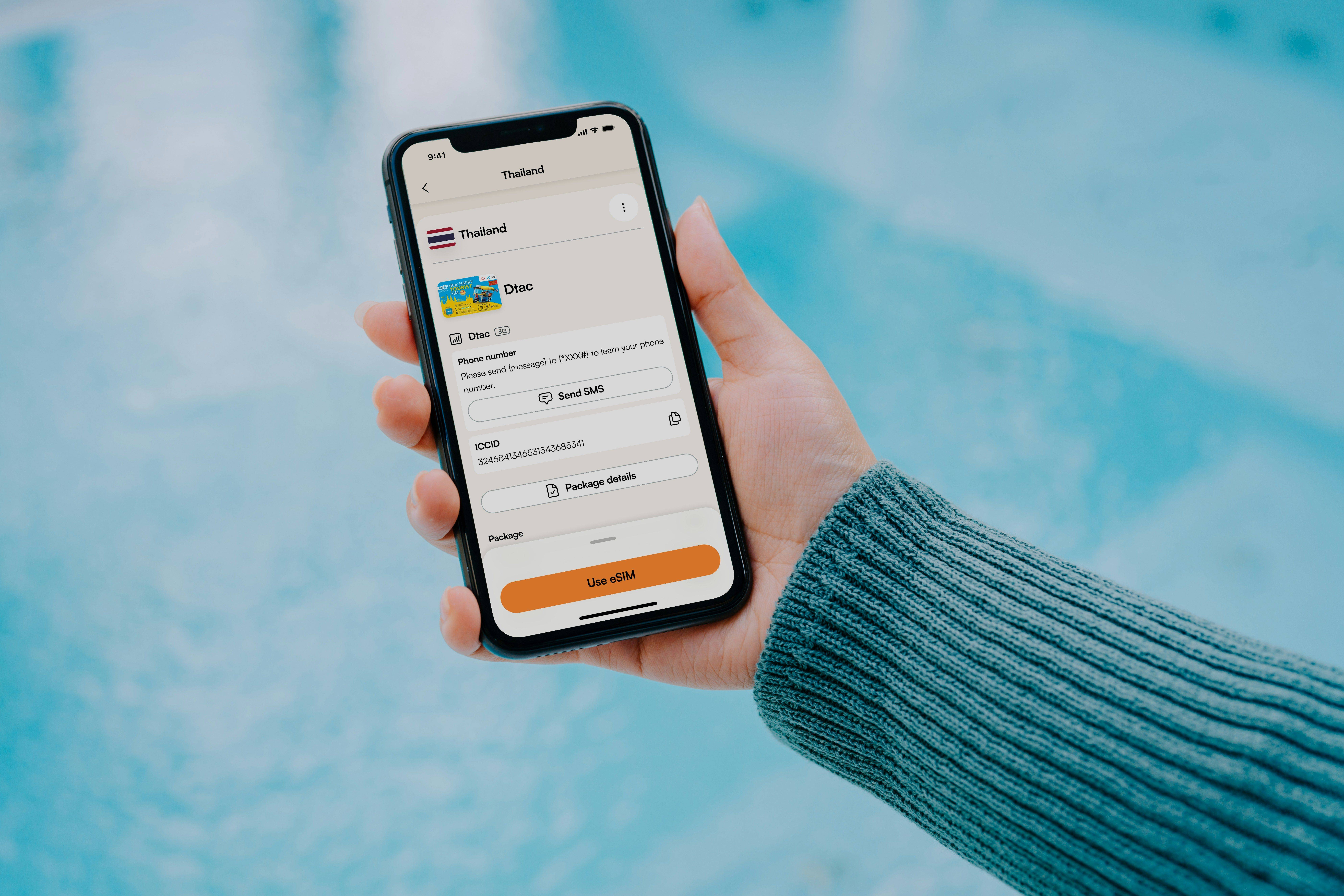
One of the first things worth doing is getting a local SIM card and setting up payment. China’s official guide for foreign residents says you can use your passport to apply for a SIM card through major telecom operators, and that foreigners can register Alipay or WeChat Pay using a foreign or Chinese phone number and link eligible international bank cards in-app.
Sort Out Payment Before You Need It
For many newcomers, payment is one of the biggest early adjustments.
In daily life, China is much more mobile-payment driven than card-driven. Alipay and WeChat Pay are the default for everything from coffee and convenience stores to taxis and takeout. Official payment guidance says foreign users can now link international credit cards, including Visa and Mastercard, to these platforms. That makes it worth trying to set things up before you arrive, or at least as early as possible once you land.
Bank cards still matter, but mostly as backup. Official guidance says UnionPay has the broadest acceptance at merchant POS terminals, while other international cards are supported in many airports, hotels, major transport hubs, and some larger commercial venues. In practice, that means you should not expect to rely on swiping a Visa or Mastercard everywhere for everyday spending. Mobile payment is still the main rhythm of daily life in China.
It is still smart to keep some flexibility in your first week:
- set up at least one mobile payment app
- carry a backup bank card
- keep a little cash on hand
- do not assume every small shop will handle foreign cards smoothly

Public Transport Is Usually the Easy Part
The good news is that getting around is often one of the easier parts of settling in.
China’s official guide for foreign travelers says 54 Chinese cities have metro systems, and that foreigners can buy metro tickets or passes with their passports. In many cities, metro and bus access can also be handled directly through Alipay or WeChat after identity verification. The same guide points foreign users to app-based ride-hailing as well.
You do not need to master the whole city in your first week. You just need to know how to get between home, work, school, and a few essential places without stress.
For navigation, Baidu Maps is specifically recommended in official travel guidance for foreigners, and AMap has also launched an English-language version for overseas users. Uber no longer operates in mainland China after exiting the market, so for ride-hailing, people usually use Didi or the taxi-hailing features built into local apps.
A simple first-week goal is enough:
- learn one easy route home
- learn one easy route to work or school
- save your key addresses in English and Chinese if possible
- download the map and transport apps you are actually going to use
Start With a Short-Term Base
If you have just arrived, it often makes sense to begin with a short-term stay rather than rushing straight into a long lease.
That gives you time to understand commute times, neighborhood atmosphere, nearby supermarkets, late-night convenience, and whether an area actually fits your daily life. A place that looks fine online can feel very different once you have stood outside the building, tested the route, and seen the neighborhood at night.
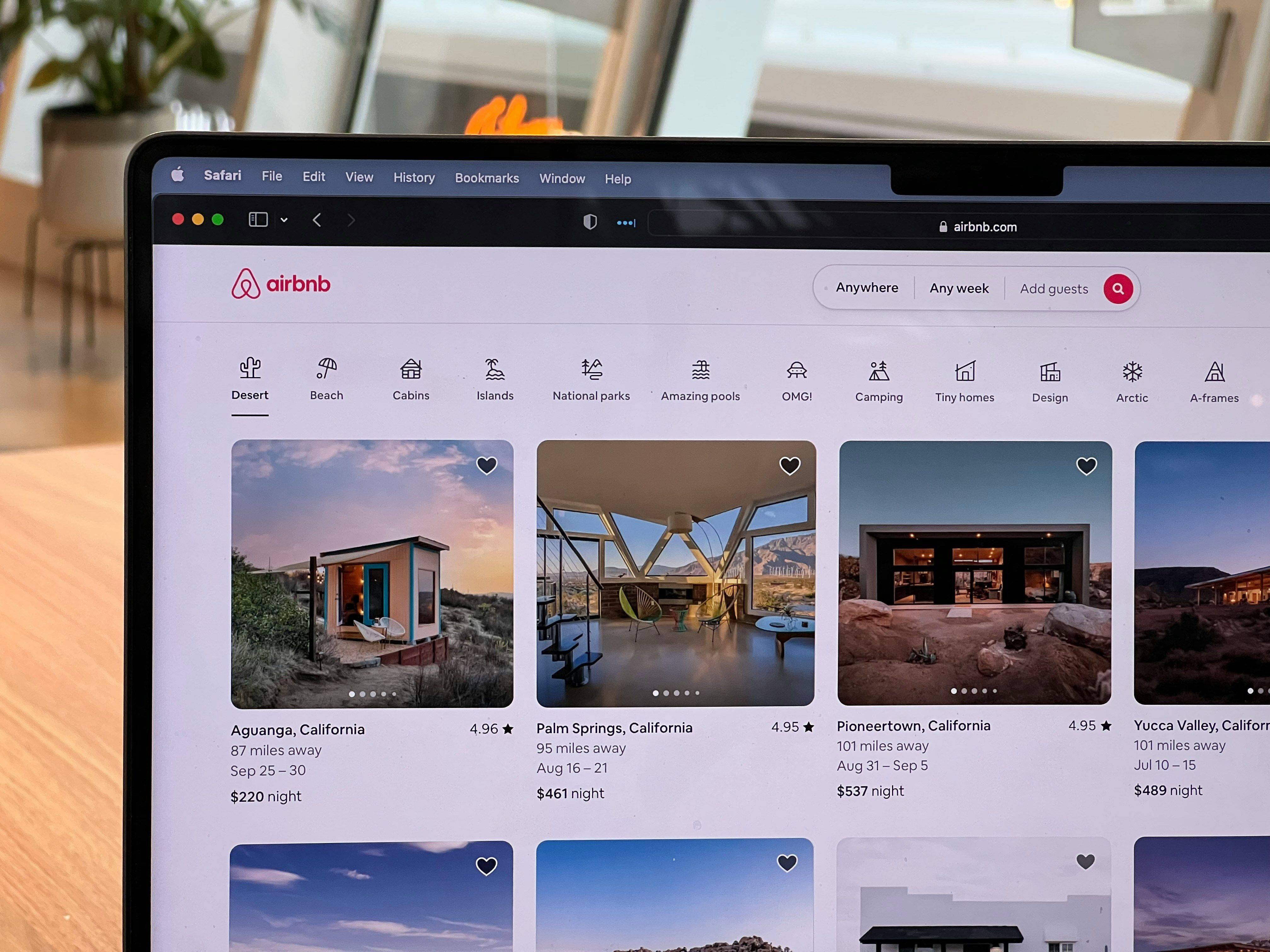
It is also worth knowing that Airbnb shut its domestic stays business in mainland China in 2022, so it is not the default option it once was for short-term accommodation there. China’s official guide for foreign travelers points users to Trip.com for hotel reservations, and Tujia remains one of the better-known foreigner-friendly local short-stay and homestay platforms.
So in your first week, short-term options are often the practical starting point:
- hotels booked through platforms like Trip.com
- serviced apartments in convenient areas
- short-stay homestays or rentals on local platforms such as Tujia
The point is not to lock everything in immediately. The point is to give yourself enough space to make a better long-term decision.
Then Find a Place That Works for Real Life
Once the basics are in place, the next priority is your living situation.
This matters more than many newcomers expect. In the first few days, housing can still feel abstract, just a list of neighborhoods, prices, and apartment photos. But very quickly, it becomes real.
You start noticing things like:
- commute time
- street noise
- access to the metro
- nearby supermarkets and convenience stores
- whether the area feels comfortable at night
- whether you want privacy or a more social setup
That is why the first week is usually not the best moment to rush into a long lease unless you are already very sure.
A good first-week decision is often not “choose fast,” but “choose better.” For many foreigners, this is exactly when the housing search stops being casual browsing and starts becoming part of real daily life.
Once you have a clearer idea of your commute, budget, and preferred lifestyle, it becomes much easier to look for a place that actually works for you, whether that means a private apartment or a shared home. For newcomers especially, platforms like Wellcee can be useful because they make it easier to explore agent-free listings and shared living options with a more direct, practical feel.
Do Not Ignore the Official Stuff
One of the biggest formalities is accommodation registration. China’s official guide says that if you stay in a hotel, the hotel handles the registration for you. If you stay somewhere else, such as a rented apartment or a friend’s home, you generally need to register with the local public security authorities within 24 hours of arrival. In March 2026, the National Immigration Administration also began piloting online accommodation registration in seven provincial-level regions, while offline registration remains available elsewhere.
In practical terms, this means one simple thing: do not leave it floating in the background. If you are not staying in a hotel, check the local process early and make sure your host, landlord, or temporary accommodation arrangement is clear.
You should also know what your visa means after arrival. The National Immigration Administration says that if your visa requires a residence permit after entry, you generally need to apply within 30 days at the local exit-entry administration where you plan to live.
So during your first week, it is worth getting clear on:
- what visa type you entered on
- whether a residence permit applies to you
- what your employer, school, or host institution is handling
- what documents you may need to prepare early
Arrival is not always the end of the paperwork.
And when it comes to renting itself, it also helps to understand how the process works locally, especially if this is your first time dealing with housing in China. For a fuller breakdown of rental terms, housing types, and what to watch out for, you can also check out Wellcee’s 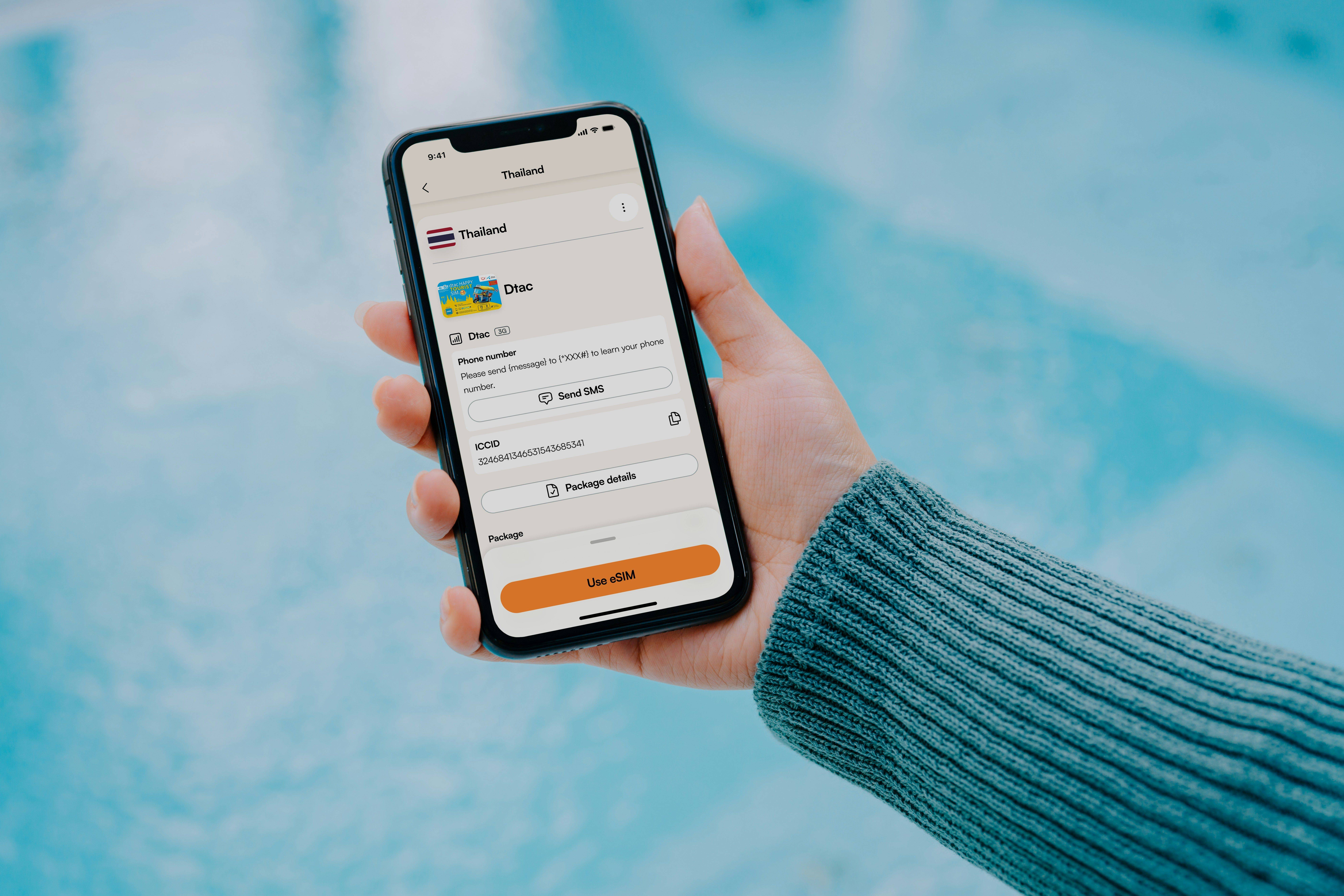 guide.
guide.
Build a Starter Routine Fast
Once the essentials and formalities are under control, your next goal is not to do more. It is to feel more normal.
That usually starts with very small things. Find the convenience store you will keep going back to. Learn where to buy water, fruit, tissues, detergent, chargers, and all the other boring little items that suddenly become urgent when you have just moved.
Work out one easy route between home and work, school, or your nearest metro station. Save your most important addresses. Figure out one reliable lunch spot. Learn how to get home when you are tired.
These tiny habits reduce friction fast.
But settling in is not only about logistics. It is also about beginning to build a life. That might mean getting to know your neighborhood a little better, meeting roommates, joining local activities, or simply finding a few familiar places that make the city feel less distant. During the first week, even one or two small social connections can make a big difference.
This is also why community matters. For many newcomers, a housing platform is not just about finding a room, but about finding a softer landing in a new city. Through shared living and community connections, Wellcee can become part of that process too. Check out Wellcee community's UGC, get to know about local events and make some friends!

A Good First Week Is About Foundation, Not Perfection
Your first week in China does not need to look impressive. It just needs to work.
If you can do these things in your first week, you are already off to a strong start:
- get your phone and payment apps sorted
- learn how to move around confidently
- start with a short-term stay if needed
- explore neighborhoods before committing long-term
- complete the official steps that apply to you
- build a simple routine that makes daily life easier
Everything else can come later.
The weekend trips, favorite cafés, stronger language confidence, and deeper sense of belonging all build on top of these first practical steps. The real goal of your first week is simple: not just to arrive, but to begin feeling like life here is something you can actually manage.
