For international students planning to study in China, housing is one of the first major decisions — and often the first real introduction to daily life in the country. Beyond academics, where you live influences your independence, privacy, routines, and social experience.
Student accommodation in China may operate differently from what many students are used to in North America, Europe, or parts of Southeast Asia. Understanding how dormitories in China work — along with off-campus housing options — helps set realistic expectations before arrival.
Updated in March 2026
How Dormitory Life in China Differs From Other Countries
University housing around the world reflects local culture and campus management styles. In many Western institutions, dorm life emphasizes flexibility and personal independence. In China, dormitories tend to be more structured — though the degree of structure varies significantly by university.
For some students, this structured system feels unfamiliar at first. For others, it provides reassurance and convenience during the transition period.
Curfew Policies: It Depends on the Institution
One frequently discussed topic is curfew.
Some universities — particularly for undergraduate housing — may implement entry guidelines or suggested quiet hours, often around 10:30 PM or 11:00 PM.
However, this is not universal.
Graduate housing is typically more flexible.
International student dormitories often operate with fewer restrictions.
Policies vary widely between universities and cities.
Many institutions today adopt a more relaxed approach, especially in major cities such as Shanghai and Beijing. The best approach is to confirm directly with your university rather than assume strict rules apply across China.
Room Sharing and Privacy Expectations
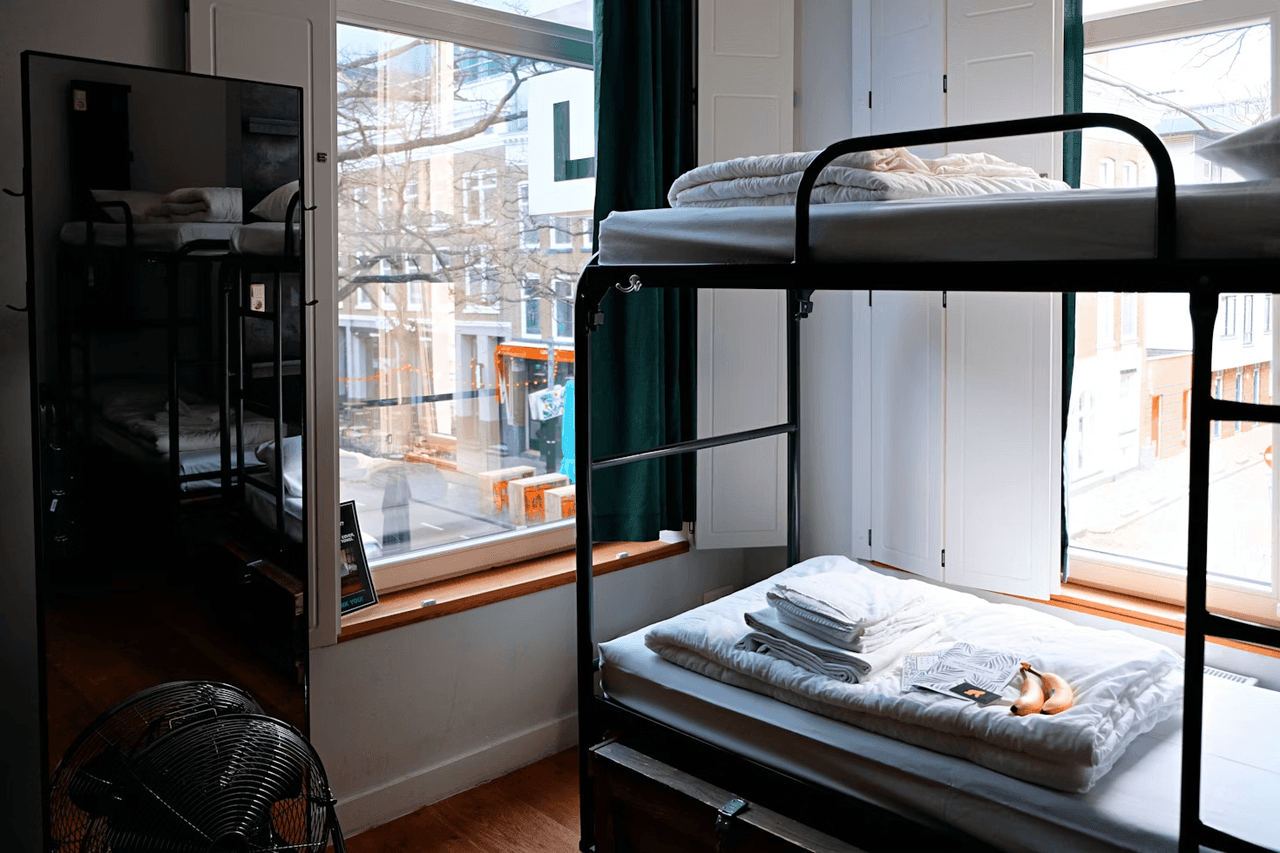
Shared rooms are common in dormitories in China and remain culturally normal.
International students are typically offered options such as:
Compared to some Western campuses — where private rooms become common after the first year — shared accommodation continues throughout university life in China. Privacy expectations differ culturally, but many international students adjust quickly and often find shared living to be socially enriching.
Facilities in International Student Dormitories
International student dormitories in China are generally practical and adequately equipped.
Most are:
In many universities, international students are housed in separate dormitory buildings or designated areas. This allows schools to accommodate common needs more effectively.
For example, institutions often provide:
Seated toilets instead of squat toilets
Private or semi-private bathrooms rather than large communal bathhouses
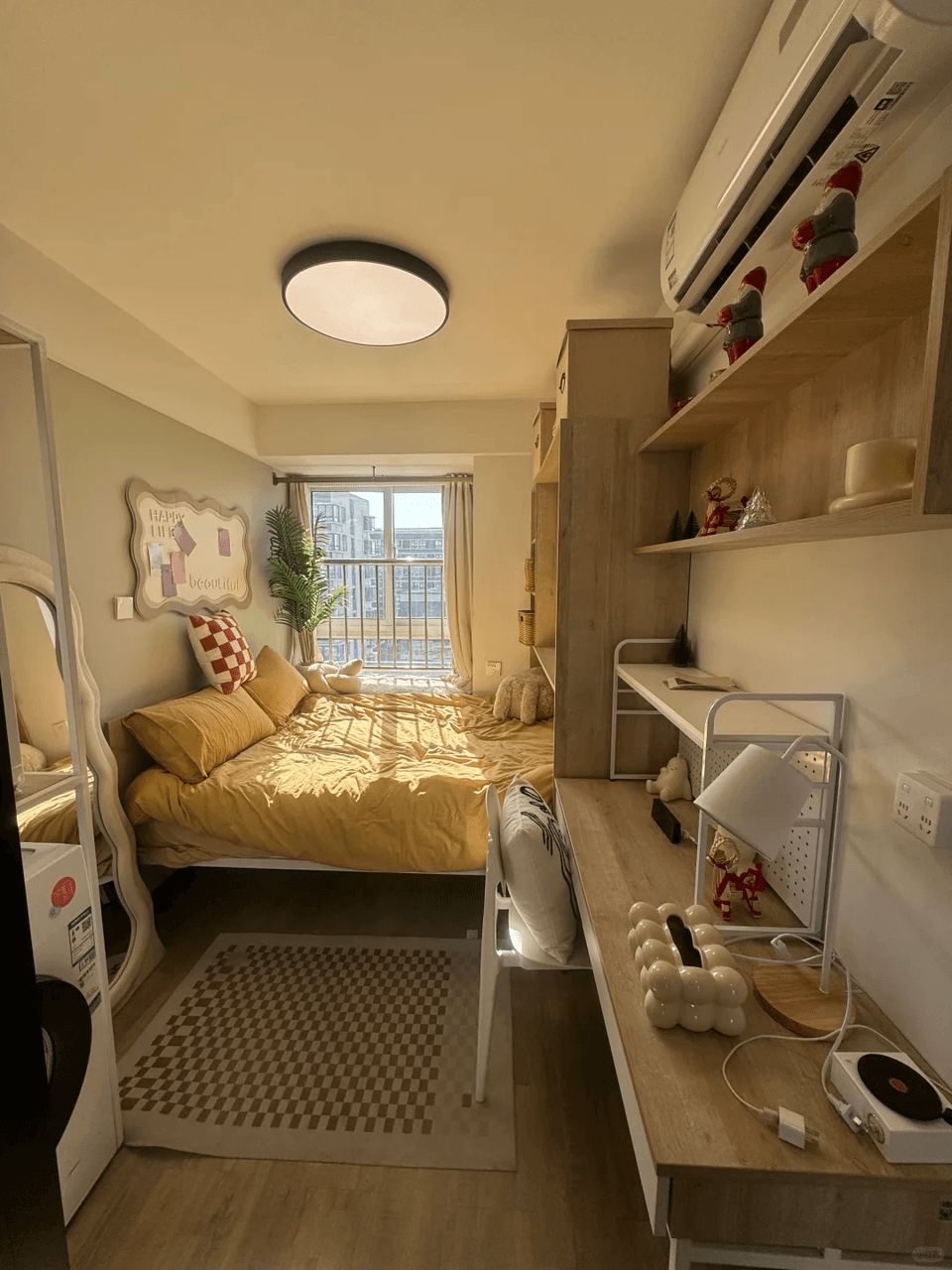
Basic furnishings such as a desk, wardrobe, bed, and air conditioning
Standards vary by university, city, and building age. Older dormitories may be simpler in layout, while newer campuses may offer updated facilities. Overall, the standard is usually practical and sufficient for student life, though rarely high-end.
How Much Do Dormitories Cost in China?
Dormitory cost in China depends on location, university ranking, and room type.
Using Shanghai and Beijing as examples:
Shanghai
Shared room (2–4 students): approximately ¥2,000–¥3,500 per month
Single room: approximately ¥3,500–¥6,000 per month
Beijing
Shared room: approximately ¥2,000–¥4,000 per month
Single room: approximately ¥3,500–¥6,500 per month
International student dormitories generally cost more than local student dorms, but are usually slightly cheaper — or comparable — to renting a small apartment off campus. Utilities may be included or billed separately, depending on the university.
Off-Campus Housing Options
Many students choose to explore off-campus housing in China after their first semester or academic year, once they feel more familiar with the city.
Living off campus offers:
It also requires more responsibility, particularly when signing lease contracts and completing police registration.
International students are legally allowed to rent apartments in China, provided residence registration procedures are followed.
Commercial Apartments
Commercial apartments are modern buildings with centralized property management.
They typically include:
They offer convenience and affordability, but are often compact and may have reduced soundproofing and limited daylight exposure.
Standard Residential Apartments (Gated Communities)
This is the most common type of housing in Chinese cities.
Located within gated residential compounds
Residential utility pricing
Typically 12-month lease terms
A more stable long-term environment
Most urban residents in China live in gated apartment communities with security personnel at entrances. This system contributes to a generally high level of neighborhood safety.
Shared Apartments
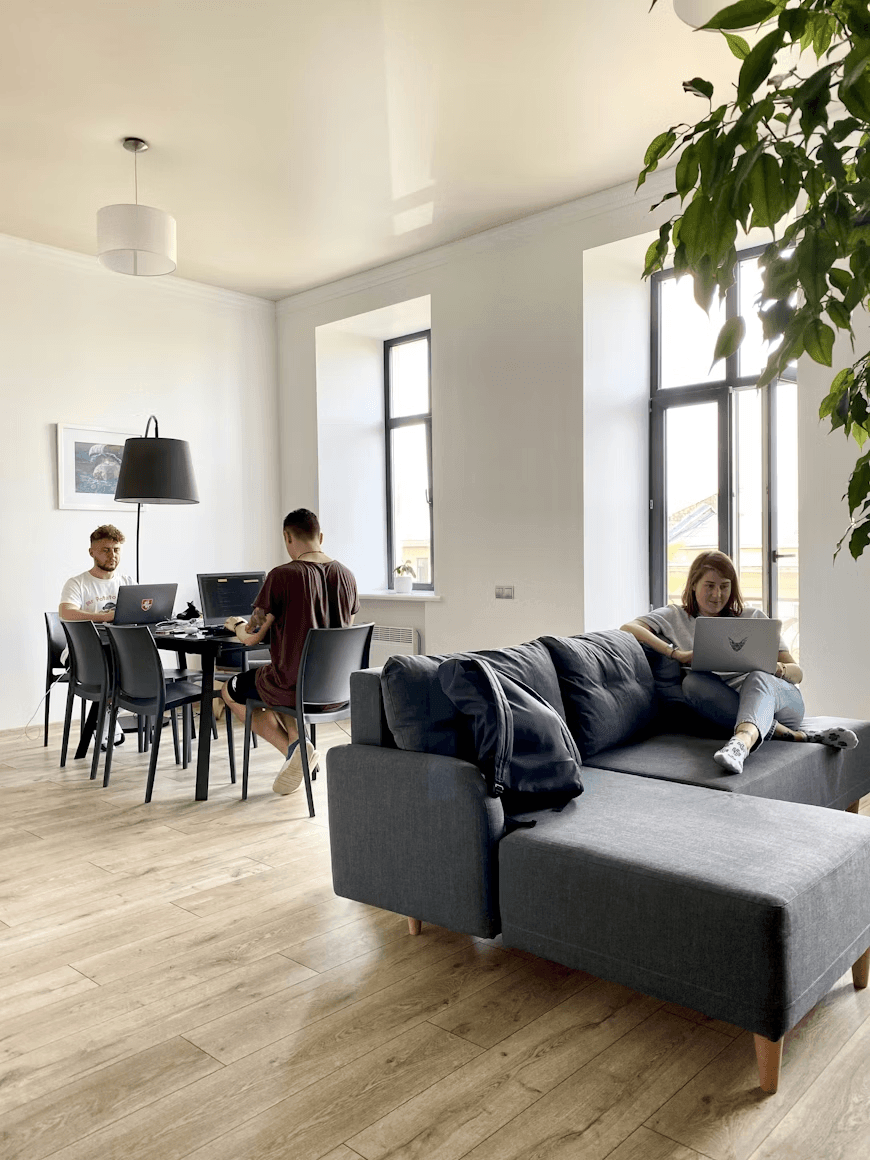
Many international students rent a private bedroom within a larger apartment and share kitchen and common spaces.
Reduce overall living costs
Provide built-in social interaction
Offer a middle ground between dormitories and private studios
For students navigating the rental market in a new language, agent-free landlord platforms such as
Wellcee can simplify communication and reduce intermediary fees. More traditional agencies like Beike and Ziroom offer standardized listings and managed services, though service commissions may apply. The best option depends on your budget and preference for flexibility versus structured management.
Police Registration: A Required Step
Residence registration is mandatory for all foreign nationals in China.
If staying in a dormitory, the university typically handles registration.
If living off-campus, you must visit the local police station within 24 hours of moving in.
Required documents usually include:
This administrative step is routine but essential.
Dormitory vs Off-Campus Living: Which Is Better?
There is no universally correct choice.
Dormitories provide convenience, administrative simplicity, and immediate campus integration. Off-campus housing in China offers independence, privacy, and greater lifestyle flexibility.
Many international students begin their studies in dormitories for ease of transition and later move into apartments once they feel more confident navigating city life.
If you’re preparing for broader questions about daily life, payments, contracts, or communication, you may also find our
FAQ by foreigners in China useful for practical, experience-based insights.
Understanding your options before arrival helps you avoid surprises — and allows you to focus on what really matters: your academic and personal growth.