

Hong Kong is a city where renting can seem straightforward at first, yet become far more complex in practice. Listings move quickly, upfront costs are substantial, and the difference between a flat that looks appealing online and one that works well in daily life can be significant. For anyone searching for how to rent in Hong Kong, Hong Kong apartment rental, Hong Kong sutudent housing, or best areas to live in Hong Kong, the most useful approach is to focus on four things: the types of properties available, the main districts and their typical price ranges, what it is like renting as a foreigner, and the rental solutions and practical tips that can make the process more manageable.
Check out our Hong Kong city guide!

Types of properties in Hong Kong
One of the reasons Hong Kong’s rental market can feel confusing to newcomers is that the word “apartment” covers a wide range of living situations. Two homes at a similar price point can offer very different experiences depending on the age of the building, layout, ventilation, storage, and overall management quality.
Private apartments in residential towers
This is the most conventional choice for long-term renters. Residential towers typically offer lifts, security, property management, and better transport convenience. They are often the preferred option for professionals, couples, and anyone looking for a more standardized and predictable living environment.
Shared apartments
For students, young professionals, and newcomers, shared flats are often the most realistic point of entry. In a city where one-bedroom rents can easily reach five figures, flatsharing remains one of the most practical ways to manage costs. It also gives renters more flexibility when entering the market for the first time, and platforms like Wellcee can make that process easier by offering agent-free listings and roommate matching without commission fees.
Serviced apartments and co-living
These options are well suited to people who need flexibility, furniture, and a smoother move-in experience. They are typically more expensive than standard leases, but they reduce the time, setup, and administrative effort involved in getting settled. They are especially relevant for exchange students, interns, short-term assignees, and anyone who prefers to arrive first and make longer-term decisions later.
Walk-up buildings
Older walk-up buildings, often without lifts, can still offer good value. In some neighborhoods, they provide more usable space for the rent than newer buildings. The trade-off is that interiors may be older, maintenance issues may be more common, and convenience may be more limited. Some are charming and practical; others simply require more careful inspection.
Village houses
Village houses are more common in the New Territories and tend to offer more space, more natural light, and a quieter living environment than dense urban apartments. They can also appeal to renters who want a less compressed lifestyle or who are looking for pet-friendly possibilities.
Subdivided units
Subdivided units are usually the lowest-cost private-market option, but they should be considered carefully. While they may provide a more affordable entry point, they often involve compromises in ventilation, comfort, privacy, and overall living quality. For most renters, they are better viewed as a short-term or transitional option rather than an ideal long-term arrangement.
Major areas and districts in Hong Kong: where people rent, and what it usually costs
Kennedy Town / Sai Ying Pun / Sheung Wan
This part of western Hong Kong Island is especially popular with HKU students, expats, and renters who want an urban, walkable lifestyle. It is lively, well connected, and generally more expensive than outer districts.
Estimated price range:
-
Shared apartment: around HK$4,500–7,500 per person
-
1-bedroom: around HK$12,000–21,000
Tsim Sha Tsui / Hung Hom / Whampoa
This is an important area for PolyU students, professionals working in Kowloon, and renters who prioritize strong transport links. Prices vary widely here, as the area includes both older, more affordable stock and newer, more expensive developments.
Estimated price range:
-
Shared apartment: around HK$5,500–8,500 per person
-
1-bedroom: around HK$9,000–22,000+
Kowloon Tong / Mong Kok / Prince Edward
These districts are especially relevant for CityU and HKBU renters, as well as people who want to stay centrally located without paying core Hong Kong Island prices. In this part of the city, even one or two MTR stops can make a noticeable difference to rent.
Estimated price range:
-
Shared apartment: around HK$5,000–8,500 per person
-
1-bedroom: around HK$10,000–18,000+
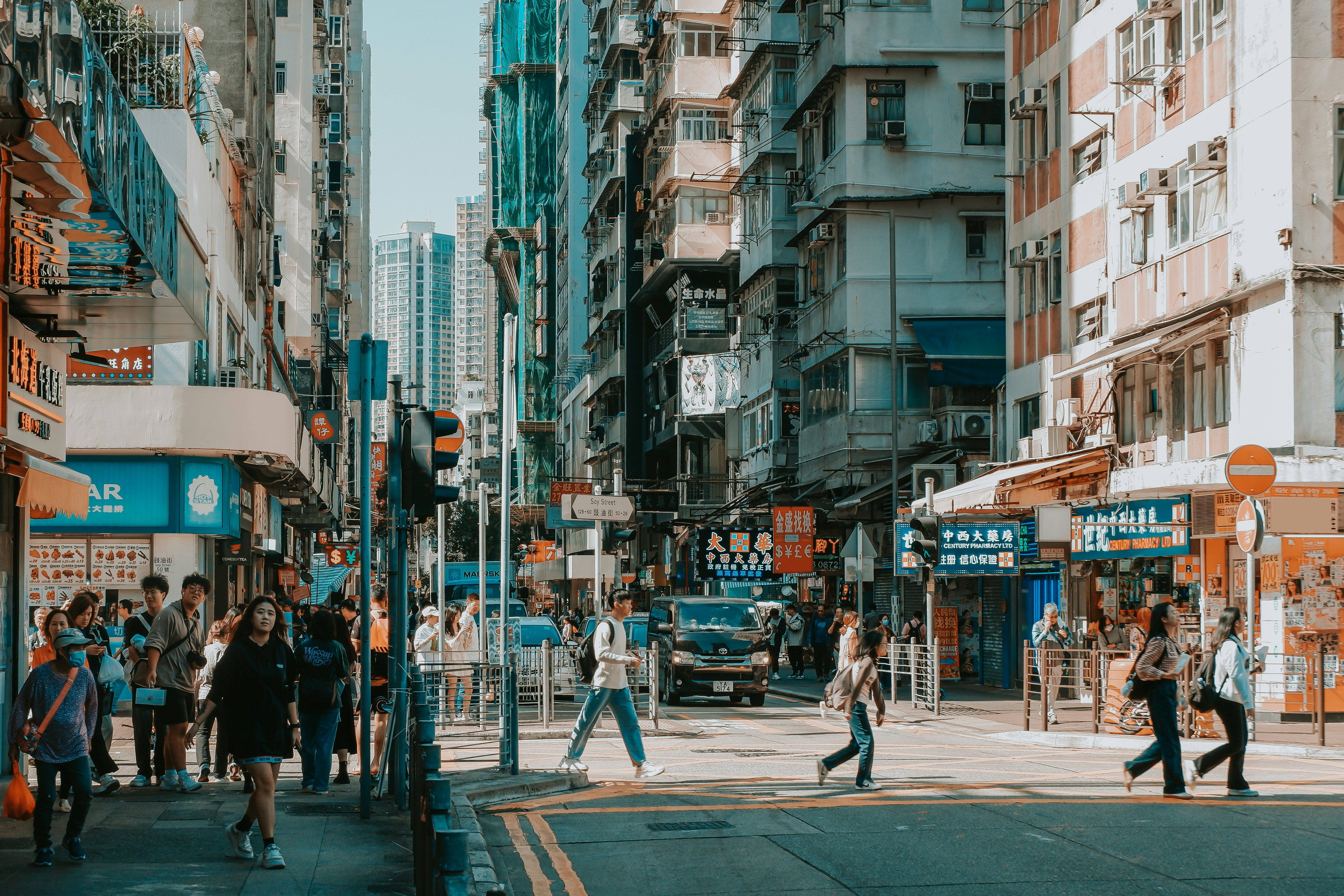
Sha Tin / Tai Wai
These are popular choices for renters connected to CUHK or those who prefer a more residential setting with good transport access. Compared with the urban core, these districts can still offer a better balance between price, space, and convenience.
Estimated price range:
-
Shared apartment: around HK$4,500–7,500 per person
-
1-bedroom: around HK$12,000–21,000
Tseung Kwan O / Hang Hau / Po Lam
This cluster is one of the more practical options for HKUST renters and for people who prefer newer buildings, estate facilities, and a more orderly residential environment. It is not always as cheap as newcomers expect, but it can offer good overall value in terms of living quality.
Estimated price range:
-
Shared apartment: around HK$5,000–8,000 per person
-
1-bedroom: around HK$14,000–19,000+
Outer New Territories / village-house areas
For renters who prioritize space, lower rent, and a quieter environment, farther-out New Territories locations can be attractive. The trade-off, of course, is commute time.
Estimated price range:
-
Shared apartment: around HK$4,000–6,500 per person
-
1-bedroom: around HK$8,000–14,000
Take a full look at listings in Hong Kong!
Join our community
Renting as a foreigner in Hong Kong
For foreigners and international students, the main challenge is often not paperwork alone, but landlord confidence. Some landlords may be more cautious when a tenant is new to Hong Kong, has no local income record, or cannot provide a local guarantor. In practice, this can mean stricter payment expectations or less flexibility during negotiation. That does not mean there is one official “foreigner deposit rule,” but it does mean overseas renters should be prepared for a more cautious market environment.
A few points are especially important:
-
Prepare your passport, visa or student documents, and proof of school or work status in advance.
-
Expect many standard leases to run for at least one year.
-
Check carefully whether bills, management fees, and internet are included.
-
Never transfer money before verifying both the unit and the identity of the landlord or agent.
For newcomers who are not yet ready to commit to a full solo lease, community-based rental platforms can be a useful starting point. This is where Wellcee fits naturally. Rather than following a traditional agency model, Wellcee is especially relevant for renters who are looking for shared apartments, roommate matching, and more direct communication. Its agent-free approach also means no commission is required, which can be particularly valuable in a city where upfront rental costs are already high.
Renting solutions and practical renting tips
Most renters in Hong Kong use a combination of mainstream property portals, serviced apartment providers, and community-based rental platforms. Platforms such as Spacious, 28Hse, and House730 are useful for comparing neighborhoods, browsing current listings, and building a general understanding of market prices. For renters who need a furnished unit or a more flexible lease, serviced apartment options can also be worth considering.
For those looking for a more direct and cost-conscious option, Wellcee offers a different advantage. It is particularly suitable for renters searching for agent-free listings, shared apartments, and roommate matching. Most importantly, no commission or agent fee is required, which can make a meaningful difference in Hong Kong, where the cost of securing a flat is often high from the outset.
Deposit, Advance Rent, and Stamp Duty
Before moving in, renters usually need to prepare more than one month of rent. In the private market, a common arrangement is two months’ deposit plus one month’s rent in advance. In some cases, agent commission may also apply. Renters should also factor in stamp duty on the tenancy agreement, which generally needs to be paid and stamped within 30 days after signing.
In Hong Kong, stamp duty for residential leases is relatively modest and depends on the lease term, while the deposit itself is not included in the calculation. The cost is usually shared between landlord and tenant unless the contract states otherwise. For international students, there is no single rule stating that they must always pay a higher deposit, but in practice they should be prepared for around two months’ rent as deposit, and in some cases two to three months may be requested.

Quick Practical Tips
Hong Kong is humid, so it is worth checking for mold, damp walls, and poor ventilation during viewings. Laundry can also be more inconvenient than expected, so ask whether the flat has a dryer, a balcony, or enough indoor space for drying clothes. Confirm exactly what is included in any “furnished” unit, and check whether management fees, utilities, and other recurring costs are included in the rent. If you are a student, start your search early, as private accommodation is expensive and longer leases are common.

In conclusion
Renting in Hong Kong can feel intense at first, but it becomes far easier once you understand how the market is structured and what to look out for. The key is not simply finding a listing that fits your budget, but finding a home that also works for your commute, your daily routine, and your stage of life in the city. With a clear sense of property type, district, upfront cost, and rental channel, the process becomes more strategic, more manageable, and much less overwhelming.