
A Practical Guide to Student Life in Hong Kong for International Students
Studying in Hong Kong can be exciting, intense, and surprisingly convenient all at once. The city is fast-paced, highly international, and easy to get around, but it can also feel expensive and overwhelming when you first arrive.
For international students, the key is to prepare early, understand how daily life works, and find a living setup that makes your student life easier. This guide covers the essentials: visa, housing, transport, money, food, study life, and how to settle into Hong Kong with more confidence.
Check out our Hong Kong City Guide for more information on local regions and districts.
Before You Arrive: Get the Basics Ready
Before coming to Hong Kong, make sure your student visa or entry permit is arranged. The Hong Kong Immigration Department states that student visa processing normally takes around six weeks after all required documents are received, so it is best to start as soon as your university gives you the necessary admission documents.
Prepare both digital and printed copies of:
-
Passport
-
Student visa or entry permit
-
University admission letter
-
Accommodation details
-
Insurance documents
-
Emergency contacts
-
Passport-style photos
-
Proof of financial support, if required
These documents may be needed for university registration, opening a bank account, renting a place, or handling unexpected situations after arrival.

Finding a Place to Live
Housing is usually the biggest challenge for international students in Hong Kong. Apartments are often small, rent can be high, and good rooms near popular universities may be taken quickly.
Start your search as early as possible. Do not wait until the week before arrival.
Option 1: University Housing
Your university should always be your first stop. Many Hong Kong universities offer halls, dormitories, or off-campus housing support. HKU, for example, provides both on-campus and off-campus accommodation options through its student support services.
University housing is usually more affordable and easier for new students because the process is more structured. It is also a good way to meet other students. However, places can be limited, especially for postgraduate students, exchange students, or students who apply late.
Best for: first-year students, exchange students, students who want a simple landing option.

Option 2: Private Rental Platforms
If you cannot get university housing, you can search for private rentals through local property platforms. Common options include 28Hse and Spacious. 28Hse lists residential rental properties from both landlords and agencies, while Spacious offers searchable Hong Kong apartment listings with filters for location, price, and property type.
These platforms are useful if you want to compare the broader rental market. The downside is that many listings may involve agents, and communication can feel less beginner-friendly if you are new to Hong Kong. Always check whether there is an agency fee, what is included in the rent, how long the lease is, and whether the photos match the actual flat.
Best for: students who want a private apartment, students with a higher budget, students who are comfortable comparing market listings.
Check out our guide How to rent in Hong Kong, for more information on the local rental market.
Option 3: Shared Flats and Roommate Search
For many international students, a shared flat is the most practical option. It can reduce rent, make daily life less lonely, and give you a softer landing in a new city.
This is where Wellcee can be a useful rental solution. Wellcee focuses on shared apartments, direct rentals, short-term and long-term stays, and no-agent options across cities including Hong Kong. Its app description highlights direct landlord rentals, zero agent fees, shared rooms, enhttps://www.wellcee.com/cn/rent-apartment/hong%20kong/list?cityId=15625714357316195tire apartments, short-term stays, and long-term leases.
Check out Hong Kong apartment listings.
Join our community.
For international students, the most helpful part is not just finding a room, but understanding who you may live with. On Wellcee, listings often feel more lifestyle-based, which makes it easier to look for flatmates, shared homes, and flexible living arrangements rather than only searching by price and square footage.
Best for: students looking for shared flats, roommates, direct rentals, flexible stays, or a more community-style living experience.
What to Check Before Signing
Before paying any deposit, check these details carefully:
-
Is the rent monthly, or do you need to pay several months upfront?
-
Are utilities included?
-
Is there an agency fee?
-
Is the room furnished?
-
How long is the lease?
-
Can you register the address if needed?
-
Is there an elevator?
-
Is the flat close to MTR, bus, or minibus routes?
-
Is the kitchen usable?
-
Is there proper ventilation?
-
Are there signs of mold or humidity?
Hong Kong is humid, so ventilation matters more than you may expect. A room that looks fine in photos may feel very different in real life if it has no sunlight, poor airflow, or damp walls.
Choosing the Right Area
Hong Kong is small, but your neighborhood still matters. A short commute can make student life much easier, especially during exam periods or early morning classes.
For HKU students, areas like Kennedy Town, Sai Ying Pun, Sheung Wan, and other parts of Hong Kong Island can be convenient.
For CUHK students, Sha Tin, Tai Po, Fo Tan, and areas along the East Rail Line may be practical.
For HKUST students, Tseung Kwan O, Hang Hau, Po Lam, and Sai Kung are common areas to consider.
For CityU, Baptist University, and PolyU students, many parts of Kowloon can be convenient because of the transport connections.
There is no perfect area for everyone. Choose based on your campus location, budget, transport route, and lifestyle. A cheaper room may not be worth it if the commute becomes exhausting every day.
Check out Hong Kong apartment listings.
Getting Around Hong Kong
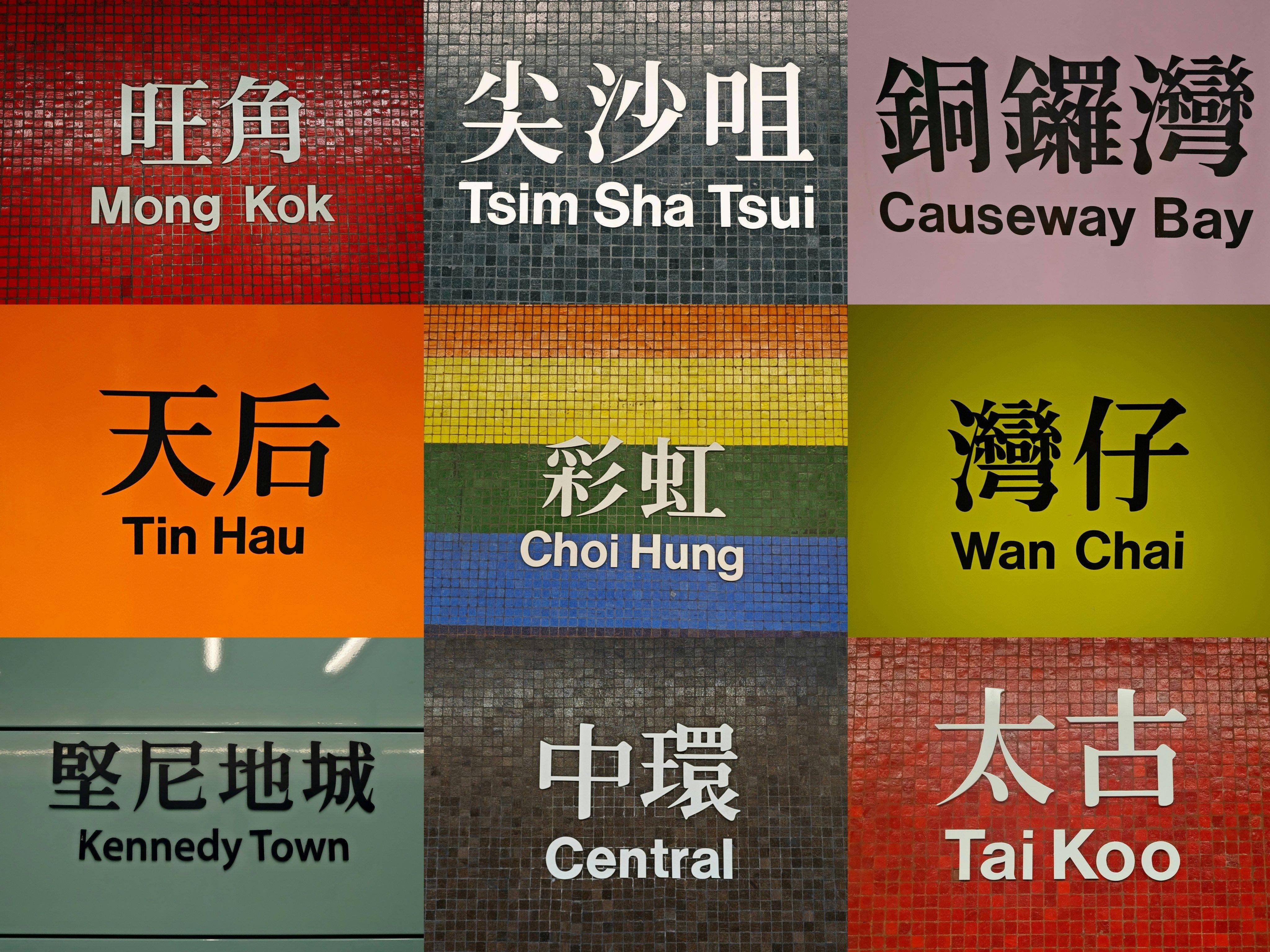
Hong Kong’s public transport is one of the easiest parts of living here. The MTR is efficient, clean, and well-connected. Buses, minibuses, trams, ferries, and taxis cover the rest of the city.
One of the first things you should get is an Octopus card. It is used for transport, convenience stores, supermarkets, vending machines, and many small daily payments.
Full-time students under 26 may apply for the MTR Student Travel Scheme for the 2025/2026 academic year, according to MTR’s official student travel information.
Useful transport tips:
-
Use Google Maps for general routes.
-
Check MTR apps for train information.
-
Leave extra time during rush hour.
-
Learn your nearest bus and minibus stops, not just the MTR station.
-
Keep some balance on your Octopus card at all times.
SIM Cards, Payments, and Banking
You will need a local phone number for many daily tasks, including delivery apps, bank registration, and university communication.
Hong Kong requires real-name registration for SIM cards. The Office of the Communications Authority states that users must register SIM cards with their own original identity document.
For payments, Hong Kong uses a mix of cash, cards, and mobile payment methods. Octopus is very common for small payments. Credit cards are widely accepted in shopping malls and restaurants, but some small local shops, wet markets, and older eateries may still prefer cash or Octopus.
Common payment tools include:
-
Octopus
-
Credit or debit cards
-
AlipayHK
-
WeChat Pay HK
-
Apple Pay
-
PayMe
-
FPS bank transfer
Opening a local bank account may take time. Prepare your passport, student visa, university proof, and address proof. Requirements can vary, so check your university’s student support office for updated guidance.

Food and Daily Expenses
Food in Hong Kong can be affordable if you know where to go. Campus canteens, cha chaan tengs, noodle shops, bakeries, cooked food centres, and local rice-box places are usually student-friendly.
Western restaurants, cafés, bars, and restaurants in Central, Causeway Bay, Tsim Sha Tsui, or tourist-heavy areas can be much more expensive.
To save money:
-
Eat at campus canteens when possible.
-
Try local breakfast sets.
-
Buy groceries from wet markets or local supermarkets.
-
Cook simple meals if your flat has a usable kitchen.
-
Bring a water bottle.
-
Track small daily spending, because transport, coffee, and snacks add up quickly.
If you live in a shared flat, check whether the kitchen is actually practical. Some Hong Kong kitchens are very small, and not every apartment is suitable for regular cooking.
Part-Time Work and Internships
Some international students may want to work part-time or take internships. Before doing so, always check your student visa conditions and university guidance.
Rules for non-local students can depend on your programme level, study period, and whether you have a valid No Objection Letter. CUHK’s graduate school guidance notes that, from November 1, 2024, certain full-time non-local students in locally accredited undergraduate-level or above programmes may be temporarily exempted from employment restrictions during their permitted stay, as specified in their No Objection Letter.
Because immigration rules can change, confirm with your university before accepting any job or internship.
Making Friends and Building a Routine
Hong Kong can feel lonely at first because everyone seems busy. The easiest way to meet people is to join communities early.
Start with:
-
University societies
-
Student clubs
-
Sports teams
-
Language exchange groups
-
Volunteering
-
Orientation activities
-
Faculty events
-
Hiking groups
-
Shared flats and roommate communities
This is another reason shared living can be helpful. A good flatmate situation can make Hong Kong feel much less overwhelming. Even if you are independent, having someone to ask about bills, transport, food, or neighborhoods can make daily life easier.
Health, Safety, and Weather
Hong Kong is generally convenient and safe, but you should still stay aware of your surroundings and take care of your health.
Save these important contacts:
-
University emergency contact
-
Campus clinic
-
Local emergency number
-
Your country’s consulate
-
Landlord or flatmate contact
-
Insurance hotline
The weather is also important. Summers are hot and humid. Typhoon season can affect classes, transport, and flights. Always check official weather warnings and your university’s announcement system during heavy rain or typhoons.
For daily comfort, a dehumidifier can be very useful. Hong Kong humidity can affect clothes, bedding, walls, and electronics, especially in older apartments.

Final Checklist for International Students
Before arrival:
-
Confirm your student visa.
-
Apply for university housing or start your rental search.
-
Prepare important documents.
-
Arrange temporary accommodation if needed.
-
Check insurance coverage.
-
Research transport from the airport to your accommodation.
After arrival:
-
Get an Octopus card.
-
Register your SIM card.
-
Attend orientation.
-
Set up your student account and email.
-
Explore your campus.
-
Open a bank account if needed.
-
Learn your commute.
-
Join at least one student community.
-
Check rental options carefully before signing anything.
Final Thoughts
Student life in Hong Kong can feel intense at the beginning. The city is compact, fast, expensive, and full of small practical details you may not be used to. But once you understand how transport, housing, payments, food, and campus life work, it becomes much easier to enjoy.
The most important thing is to set up a stable daily routine. Find a place that works for your budget and lifestyle, learn your commute, build a few friendships, and give yourself time to adjust.
Whether you live in a university hall, a private apartment, or a shared flat found through platforms like Wellcee, your living environment will shape your student experience. Choose carefully, ask questions, check out our How to rent in Hong Kong guide for more details on renting. Remember to look for a setup that helps you feel not just accommodated, but at home.
